
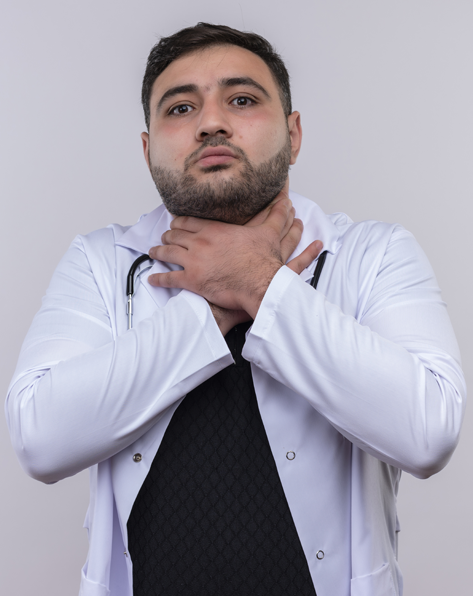
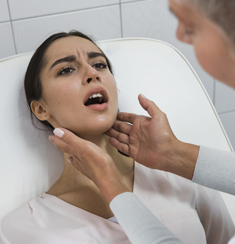
Speech and swallowing surgeries are specialized procedures aimed at improving or restoring the ability to speak and swallow, which can be severely affected by conditions such as neurological disorders, head and neck cancers, trauma, or congenital anomalies. These surgeries are often necessary for patients with dysphagia (difficulty swallowing) or dysphonia (voice disorders) caused by conditions like stroke, vocal cord paralysis, tumors, or muscular disorders. Common procedures include laryngeal surgery to improve vocal cord function, such as medialization laryngoplasty or thyroplasty, and surgical interventions to treat swallowing difficulties, like cricopharyngeal myotomy or esophageal dilation. For patients who have undergone extensive head or neck surgery, reconstructive procedures may be needed to restore the anatomy of the mouth, throat, or larynx, improving their ability to speak and swallow. These surgeries are typically performed by a multidisciplinary team, including otolaryngologists, speech-language pathologists, and, in some cases, surgeons specializing in head and neck cancer or neurosurgery.
The recovery and rehabilitation process after speech and swallowing surgeries can be lengthy and challenging, as patients often need to undergo intensive speech therapy and swallowing rehabilitation to regain normal function. Following surgery, patients may experience temporary or permanent changes in their voice or swallowing abilities, depending on the extent of the procedure and the underlying condition. Speech therapy plays a crucial role in helping patients adapt to changes and maximize their functional outcomes, teaching them techniques to improve swallowing safety, vocal quality, and overall communication. In some cases, advanced technologies like voice prosthetics or feeding tubes may be used to support the patient during recovery. Despite the complexities involved, speech and swallowing surgeries can significantly improve a patient’s quality of life, allowing them to regain the ability to communicate effectively and eat safely, which is vital for their emotional and physical well-being.
Time: 11 am to 6:30 pm
Mobile: +91 95122 68282
Time: 24 hrs
Landline: 079-29605014
Copyright © 2025-2026. All Rights Reserved.