

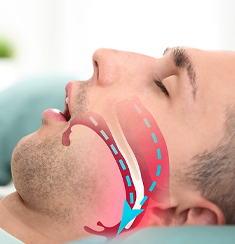
Snoring and sleep apnea are common conditions that affect millions of people worldwide, often causing disrupted sleep and leading to daytime fatigue, irritability, and potential cardiovascular issues. Snoring occurs when airflow through the mouth and nose becomes partially obstructed during sleep, causing tissues in the throat to vibrate. Sleep apnea, a more severe form of sleep disturbance, is characterized by intermittent pauses in breathing due to complete or partial obstruction of the airway. This can result in oxygen levels dropping, disrupting sleep and potentially leading to serious health problems like high blood pressure, heart disease, stroke, and diabetes. While many cases of snoring can be managed with lifestyle changes or the use of devices like CPAP (Continuous Positive Airway Pressure) machines, sleep apnea often requires more intensive treatment. Surgical options are considered for patients who do not respond to conservative treatments and experience significant symptoms. Common surgical procedures include uvulopalatopharyngoplasty (UPPP), which removes excess tissue from the throat to widen the airway, or tonsillectomy and adenoidectomy for those with enlarged tonsils or adenoids causing obstruction. Other treatments, such as nasal surgeries or mandibular advancement devices, may also be recommended based on the underlying cause of the airway obstruction.
Surgical interventions for snoring and sleep apnea are typically performed when non-surgical options fail or the condition is severe enough to pose significant health risks. In addition to traditional procedures, newer techniques such as laser-assisted uvulopalatoplasty (LAUP) and radiofrequency ablation offer less invasive options with shorter recovery times. In cases of severe obstructive sleep apnea, more complex surgeries such as maxillomandibular advancement (MMA), which repositions the upper and lower jaw to increase airway space, may be necessary. These surgeries aim to treat the root cause of the airway obstruction and provide long-term relief from snoring and apnea episodes. Recovery from sleep apnea surgery varies depending on the procedure, but generally involves a period of rest, follow-up visits to monitor healing, and sometimes speech or swallowing therapy to adjust to any anatomical changes. With the right surgical approach, patients can experience significant improvements in sleep quality, reduced snoring, and a lower risk of the complications associated with untreated sleep apnea, ultimately enhancing their overall quality of life.
Time: 11 am to 6:30 pm
Mobile: +91 95122 68282
Time: 24 hrs
Landline: 079-29605014
Copyright © 2025-2026. All Rights Reserved.