
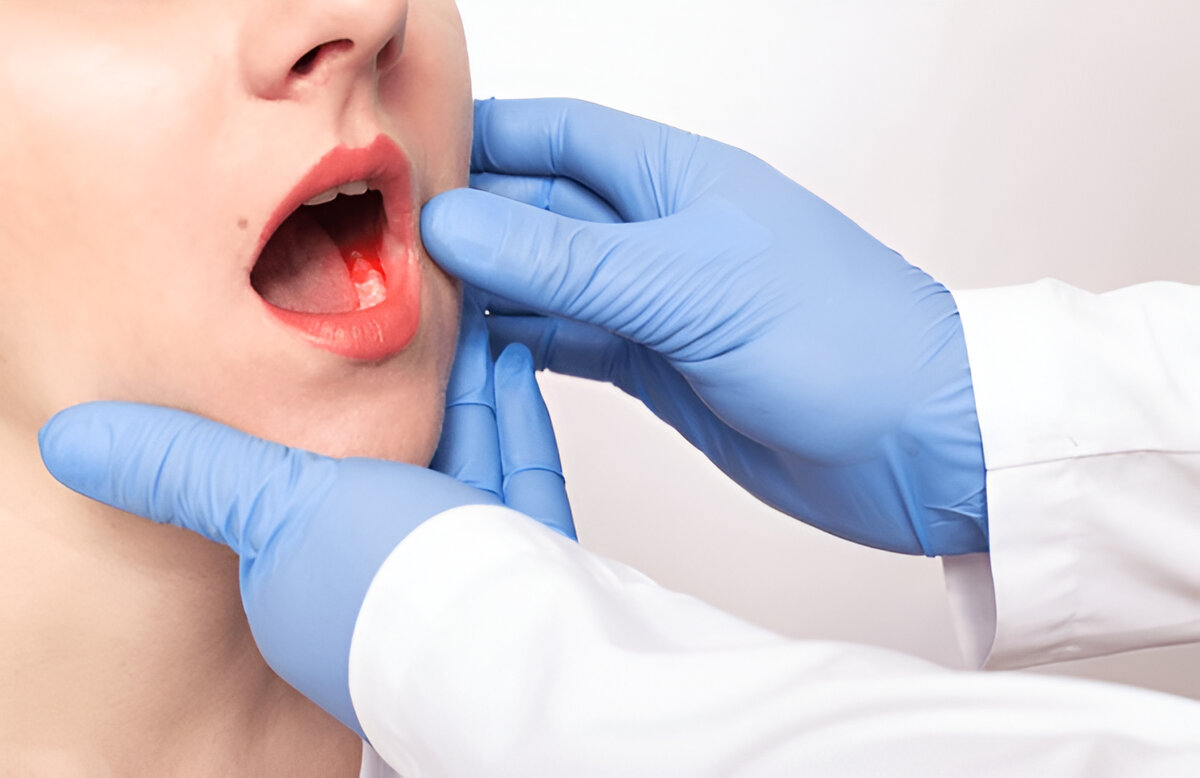

Oral cancer, also known as mouth cancer, includes cancer of the tongue, lips, the area between the lower jaw and tongue bone (floor of the mouth,) and cheek, as well as the lower jaw bone and upper jaw bone and the bony (hard) palate.
This is by far the most prevalent cancer that is found among Indian males. Also, it is the leading cause for deaths caused by cancer in the nation. This is the fourth leading cause of cancer among women; however, in a few regions of the nation, it is the cause of most prevalent cancer in women.
Each year, around 15,000 new instances of oral cancer are discovered in India. In reality, half of them pass away within a year after being detected. The reason is that between 60 and 70 percent of these cases are discovered in an advanced stage. You should talk to your general physician or ENT Specialist in Bhilwara.
Tobacco is the leading cause of oral cancer. It can be consumed in a variety of ways. It is chewed or smoked. Chewed tobacco is utilized in a variety of forms, including mawa, khaini masala, and pan. It is consumed as a bidi, a Hukkah, a cigarette, etc. Gutka, areca nut, or supari are also known to cause mouth cancer, and are widely employed in certain parts of the world. All of these types are harmful and can cause cancer.
Alcohol is a different cause of oral cancer, particularly the oral floor cancers. The risk of developing cancer increases multiple times over when alcohol and tobacco are consumed in conjunction.
A sharp tooth or poorly fitting dentures that cause repeated trauma can cause oral cancer.
Inadequate hygiene of the mouth, HPV infection, and food deficiencies are also reasons for mouth cancer.
Oral cancer is curable by early detection. Thus, the early detection and treatment is essential for a successful outcome. It is essential that you are aware of any symptoms and warning indicators of cancer to ensure that treatment is initiated at the right time.
Warning Signs and Symptoms
The skin may be swollen, or a rash can form over the face
Patients are examined clinically by an oncologist. The size of the tumor is measured. Based on the clinical exam findings, additional tests are required.
A biopsy is performed to confirm the presence and nature of cancer. It is usually performed as an outpatient procedure. In this procedure, a tiny portion of the tumor is collected and sent to examination of the pathological process. Biopsy is crucial prior to starting treatment for cancer.
Imaging is performed to assess the extent of the tumor across all dimensions, including the deep tissues. CT scans, MRI or PET CT is according to the location of the tumor size and site.
The staging of tumors is based on the radiological and clinical findings. It is staged in the early stage (stage II/III ) or as advanced stages (stage III/IV).
The treatment of oral cancer is mostly done by surgery. The use of radiation therapy on its own or in conjunction with chemotherapy is necessary at the end of the stage.
Surgery involves the complete elimination of the tumor, along with an adequate border of normal tissue surrounding the cancer. The extent of surgery is contingent on the size of the tumor and the involvement of surrounding structures. Surgery involves the removal of the main tumor and the removal of lymph nodes draining the neck, referred to as neck dissection.
Radiotherapy is usually used in cases of advanced surgery to ensure that the risk of recurrence is reduced.
In the case of oral cancer, chemotherapy is used primarily for the treatment of stage IV advanced cancers, where it is utilized alongside radiotherapy following surgery. Chemotherapy is used by itself when the cancer is extensive and spreads to far regions like the liver, lung, or bone, or been resurrected and radiotherapy or surgery is not able to be administered. The goal in treating this case is palliative, which means that chemotherapy won't eliminate the disease completely, howeve,r it can reduce the growth of the tumor.
In this type of treatment, drugs are administered that specifically target cancer cells, such as proteins or genes that are involved in the growth of tumors. They are often used in conjunction with chemotherapy in more severe instances where surgery and radiation therapy aren't an option.
The Immunotherapy is a kind of treatment that works on the immune system of the body to combat cancer. For oral cancer, it is applied in cases that are more advanced when surgery is not performed and radiotherapy isn't feasible. It is administered either by itself or in combination with chemotherapy.
It is crucial to keep a regular check of cancer treatment. This helps in identifying any recurrences in the future at an early stage. Every follow-up visit, patients are evaluated clinically by an oncologists. The need for imaging may be depending on the stage of tumor and signs. Monitoring is performed every 3 months after the initial 2 years, and then every 3-6 months over the next 3 years and every year thereafter.
Copyright © 2025. All Rights Reserved.