
We rarely think about feeding our ears, yet the inner ear is one of the most metabolically demanding organs in the body, and what we eat genuinely affects how well it ages. No vitamin can reverse established nerve damage — be wary of any pill that promises to ‘cure’ deafness — but the right nutrition and habits can help protect the hearing you have. Dr. Neeraj Suri, working alongside the team’s hearing aid specialist in Ahmedabad, separates the real evidence from the hype on hearing and nutrition.
How Nutrition Affects Your Hearing
The inner ear depends on a rich, steady blood supply and constant energy to run its delicate hair cells. Poor circulation, inflammation and oxidative stress — the same processes that damage the heart — quietly damage hearing too. This is why conditions like diabetes and high blood pressure are linked to faster hearing loss, and why a diet that keeps the blood vessels healthy is, in effect, a diet that protects your ears.
The Nutrients With Real Evidence
Several nutrients have genuine research support for supporting hearing health:
- Folate (vitamin B9) — linked to a lower rate of age-related hearing loss; found in leafy greens, legumes and citrus
- Magnesium — may protect against noise damage, especially alongside antioxidants; found in nuts, seeds, whole grains and bananas
- Zinc — supports the inner ear and immune defence; found in beans, nuts, and lean meat
- Vitamins A, C and E — antioxidants that mop up the free radicals that harm hair cells
- Omega-3 fatty acids — support blood flow to the ear; found in fish, flaxseed and walnuts
- Potassium — vital for the fluid balance the inner ear relies on; found in bananas, potatoes and spinach
A Balanced Plate Beats Supplements
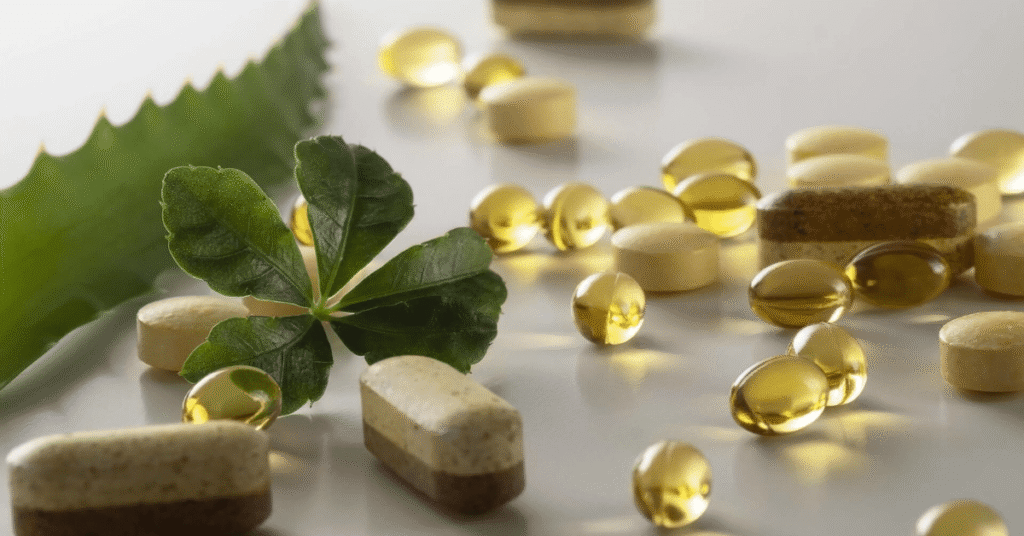
The evidence points to whole foods, not high-dose pills. A diet rich in vegetables, fruit, whole grains, nuts, legumes and fish delivers these nutrients in the balance the body uses best. Mega-doses of single vitamins can even be harmful, and no supplement replaces a good diet. Think of it as eating for your heart — what protects your circulation protects your hearing.
Habits That Protect Hearing More Than Any Vitamin
Nutrition is only part of the picture, and honestly the everyday habits matter more:
- Protect against noise — use earplugs at concerts and around loud machinery, and keep earphone volume down.
- Manage diabetes and blood pressure — both damage the inner ear over time if left uncontrolled.
- Don’t smoke — smoking measurably increases the risk of hearing loss.
- Stay active — regular exercise keeps the ear’s blood supply healthy.
- Never insert cotton buds — they cause wax impaction and injury, not clean ears.
Beware ‘Miracle’ Hearing Cures
No pill, oil, drop or supplement can regrow dead hair cells or reverse nerve deafness — and any product marketed with such claims is best avoided. Genuine hearing protection is unglamorous: good diet, noise care, and treating the conditions that harm the ear. If you already have hearing loss, the honest answer is a proper hearing test, not a bottle of vitamins.
The Powerful Link Between Diet, Diabetes and Hearing
If there is one message that matters more than any single vitamin, it is this: the health of your blood vessels is the health of your hearing. The inner ear is fed by tiny, fragile blood vessels with no backup supply, so anything that damages circulation — diabetes, high blood pressure, high cholesterol, smoking — quietly starves the hair cells and accelerates hearing loss. This is why people with poorly controlled diabetes have measurably worse hearing over time. A diet that keeps blood sugar steady and vessels clear — low in refined sugar and processed food, rich in vegetables, whole grains and healthy fats — protects your ears precisely because it protects your circulation.
A Simple Ear-Healthy Eating Pattern
You do not need a special ‘hearing diet’ — the pattern that protects your heart protects your ears. In practice that means:
- Plenty of colourful vegetables and fruit for antioxidants
- Whole grains, beans and lentils rather than refined carbohydrates
- Fish a couple of times a week, and nuts and seeds for omega-3s and magnesium
- Leafy greens and citrus for folate
- Limiting sugary drinks, processed snacks and excess salt
Combine this with staying hydrated and physically active, and you give your inner ear the steady blood supply and nutrients it needs to age well.
Supplements: When They Might Actually Help
For most people eating a balanced diet, supplements add little. They may have a role in specific situations — a diagnosed deficiency in B12, folate or vitamin D, for example, corrected under medical advice. But mega-doses taken in the hope of preventing or reversing hearing loss are unhelpful and occasionally harmful. If you are worried about your hearing, the money is far better spent on a proper hearing test than on supplements promising results they cannot deliver.
Protecting Your Children’s Hearing Through Habits
Good hearing habits are best formed early, and parents are in a powerful position to protect their children’s ears for life. The biggest modern threat is noise, especially from earphones — teach the simple rule of keeping the volume no higher than about 60% and taking listening breaks, and choose volume-limiting headphones for younger children. Beyond noise, feed children the same ear-healthy diet that helps adults, rich in fruit, vegetables, whole grains and fish, which supports overall development including hearing. Treat ear infections and glue ear promptly rather than letting them linger, since repeated childhood ear problems can dull the hearing children rely on to learn speech. And never clean children’s ears with cotton buds. These habits cost nothing, yet they help safeguard a child’s hearing through the decades ahead.
A Word on Noise at Weddings and Festivals
In our region, loud celebrations, festivals and firecrackers are a real and often overlooked source of hearing damage, for adults and children alike. A single very loud exposure can cause lasting harm. Simple foam earplugs, keeping a sensible distance from loudspeakers and firecrackers, and giving the ears quiet recovery time afterwards go a long way. Protecting hearing at these moments is far easier than treating the loss they can cause.
The Honest Bottom Line on Hearing and Vitamins
So can vitamins protect your hearing? The honest answer is that good nutrition genuinely supports ear health as part of a wider healthy lifestyle — but it is protection, not cure, and it works best alongside the things that matter even more: protecting your ears from noise, managing diabetes and blood pressure, not smoking, and staying active. No pill reverses established hearing loss, and any product claiming otherwise should be treated with caution. Eat well for your heart and your hearing, protect your ears from harm, and — crucially — get any actual hearing difficulty properly tested rather than hoping a supplement will fix it. That balanced approach is what truly defends your hearing over a lifetime.
When to See a Hearing Aid Specialist in Ahmedabad
Nutrition supports healthy hearing, but it cannot restore what is already lost. If you are straining to follow conversation, turning up the volume, or noticing ringing in your ears, the right next step is a hearing test with a hearing aid specialist in Ahmedabad — who can find the cause and, where needed, fit a device properly. Protect your hearing with good habits, but don’t rely on vitamins to fix a loss that a specialist can actually treat.
Protect and Check Your Hearing — Book Today
Good nutrition protects your hearing, but only a proper test tells you where it stands. Book a hearing assessment with Dr. Neeraj Suri at Evara Hospital for honest advice and, if needed, an expert fitting. Reach Evara Hospital on +91 95122 68282, or book online — with evening and Sunday OPDs for families across Ahmedabad and Gandhinagar.
Author & Medical Review
Dr. Neeraj Suri, MS (ENT) — Ex-Fellow, Stanford University & House Ear Institute, Los Angeles; Ex-Associate Professor, GMERS Medical College, Gandhinagar. Medically reviewed by Dr. Neeraj Suri.
FAQs
Can vitamins cure hearing loss?
No — no vitamin reverses nerve-related hearing loss. Good nutrition helps protect the hearing you have, but established loss needs proper treatment.
Which foods are best for hearing health?
Leafy greens, fish, nuts, seeds, whole grains, fruit and legumes — a heart-healthy diet is also an ear-healthy one.
Do supplements help prevent hearing loss?
Whole foods are far more reliable than pills; high-dose single supplements can even be harmful. Focus on a balanced diet and noise protection.
Does diabetes really affect hearing?
Yes — poorly controlled diabetes and high blood pressure damage the inner ear’s tiny blood vessels over time, so managing them protects hearing.