
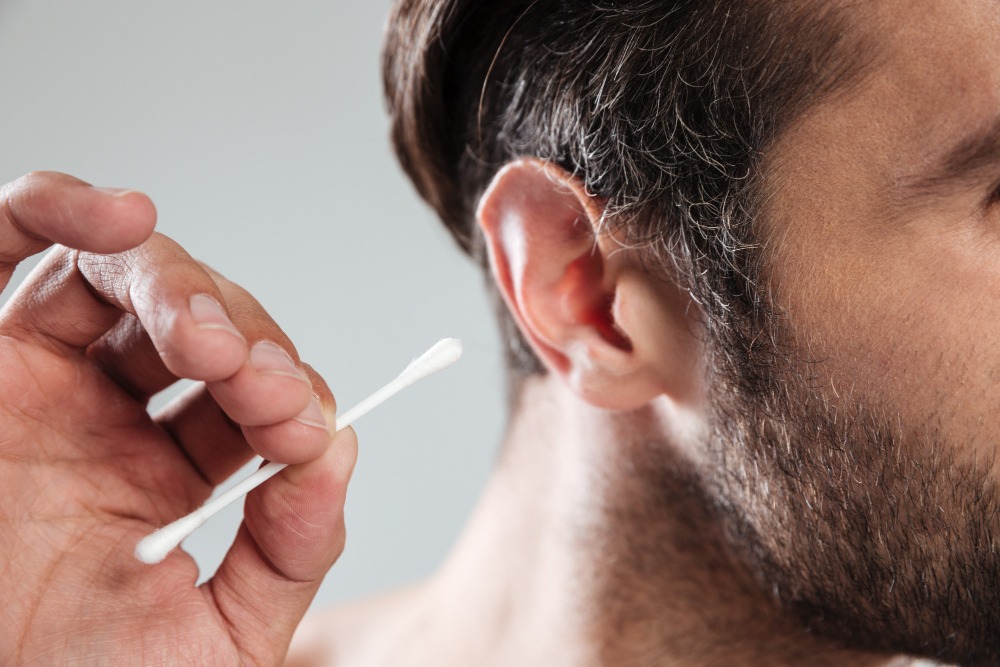
Almost everyone reaches for a cotton bud when their ears feel blocked – and almost everyone is doing it wrong. Ear wax is one of the most common reasons people visit an ENT clinic, and, ironically, most of the trouble is caused not by the wax itself but by the way we try to remove it. Understanding safe ear wax removal – what genuinely helps, what quietly causes harm, and when a blocked ear needs a specialist – can save you from pain, infection and even lasting hearing damage.
This practical guide explains what ear wax actually is, why your ears usually clean themselves, the removal methods that are safe at home, the ones to avoid completely, and the warning signs that mean it is time to see a doctor. If your ears feel full, itchy or muffled, read this before you reach for anything.
What ear wax really is and why you need it
Ear wax, or cerumen, is not dirt – it is a natural, protective substance your body makes on purpose. Glands in the outer ear canal produce it to trap dust, bacteria and tiny debris, keep the delicate canal skin moisturised, and stop infection. In other words, a certain amount of wax is a sign of a healthy ear, not a dirty one.
Your ears are also self-cleaning. The skin of the ear canal slowly migrates outward, carrying old wax with it, and normal jaw movement from talking and chewing helps push it towards the ear opening, where it dries and falls away. For most people, the ear does this quietly and perfectly well – which is exactly why aggressive cleaning does more harm than good.
Wax also comes in two natural types – wet and dry – largely decided by genetics, and the amount you produce is simply how your body works, not a sign of poor hygiene. Problems only begin when wax is pushed back, produced in excess, or cannot escape a narrow or hairy canal. Knowing this changes how you treat your ears: the goal is never to scrub them clean, but to support the natural process and step in only when it fails.
Why cotton buds cause more problems than they solve
The single most common ear-care mistake is using cotton buds (ear buds) inside the canal. It feels satisfying, but here is what actually happens: instead of removing wax, the bud pushes most of it deeper, packing it hard against the eardrum. Over time this creates a stubborn plug that the ear can no longer clear on its own.
Worse, the delicate canal skin is easily scratched, opening the door to painful infections, and a bud pushed too far can perforate the eardrum. The golden rule that every ENT will tell you is simple:
- Never put anything smaller than your elbow into your ear – no cotton buds, hairpins, keys, matchsticks or car keys.
- Do not use ear candles – they do not remove wax and can cause burns and blockage (more on this below).
- Clean only the outer ear (the part you can see) with a soft towel – never the canal.
Why some people get blocked ears more often
If your ears block up repeatedly, it is rarely because they are dirty – it is usually anatomy or habit. Knowing your risk factors helps you prevent trouble rather than react to it. Common reasons wax builds up and impacts include:
- Using cotton buds or earphones deep in the canal – both push wax inward and stimulate more production.
- Narrow or curved ear canals – some people are simply built so wax escapes less easily.
- Hairy canals or older age – drier, harder wax and more canal hair trap wax more readily.
- Hearing aids or earplugs – these block the natural outward migration and increase build-up.
- Skin conditions such as eczema or dermatitis in or around the ear.
- A history of ear surgery or repeated infection that changes the canal’s shape.
If you recognise yourself here, the answer is not more cleaning – it is a regular check with a specialist and a sensible softening routine, so wax is managed before it becomes a painful, hearing-blocking plug.
Safe ear wax removal methods you can try at home
For mild wax build-up with no pain or major hearing loss, gentle home care is usually enough. Safe ear wax removal at home is about softening the wax and letting the ear do the rest – not digging it out.
- Softening drops: A few drops of olive oil, or over-the-counter ear drops, once or twice a day for three to five days softens hardened wax so it can drift out naturally.
- Warm water rinse: After softening, a gentle rinse in the shower – letting warm water run into the ear and then tilting your head to drain it – can help clear loosened wax. Never use force or high pressure.
- Let gravity help: After using drops, lie with the treated ear facing down for a few minutes so softened wax can move towards the opening.
- Give it time: Wax often clears on its own within a week of softening. Patience beats poking.
A word of caution: do not attempt home rinsing if you have ear pain, discharge, a known perforated eardrum, grommets, or have had ear surgery – in those cases water in the ear can be dangerous, and you should see a specialist instead.
A simple rule of thumb: softening drops are safe to try, but anything that involves putting an object or forceful water into the ear is not. If a few days of gentle softening does not clear the blocked feeling, that is your cue to book a professional clean rather than escalate to riskier home attempts.
Methods to avoid completely
Some popular ‘remedies’ are, at best, useless and, at worst, harmful. Steer clear of these:
- Ear candling: Marketed as a natural detox, it has no proven benefit, does not remove wax, and regularly causes burns, wax blockage from candle debris, and eardrum damage.
- Cotton buds inside the canal: As above – they push wax in and injure the skin.
- Sharp objects or ear picks: Hairpins, keys and metal scoops scratch the canal and risk perforating the eardrum.
- High-pressure water jets or DIY syringing: Forcing water in can rupture the eardrum or drive infection deeper. Professional micro-suction is far safer.
- Ignoring recurring blockage: If wax keeps building up, repeated home attempts make things worse – a specialist should assess why.
How an ENT removes ear wax safely and professionally
When wax is impacted, painful or affecting hearing, professional removal is quick, painless and far safer than anything done at home. As an experienced best ear doctor in Ahmedabad will explain, the method is chosen to suit your ear:
- Micro-suction: The gold standard – a gentle suction device removes wax under direct vision using a microscope, with no water needed. It is safe even for perforated eardrums and takes only minutes.
- Manual removal: Fine, specialised instruments lift wax out under magnification – precise and controlled.
- Professional irrigation: Controlled, warm-water irrigation where appropriate, done safely by trained staff after assessing the eardrum.
Crucially, an ENT first looks inside the ear to confirm the eardrum is intact and rule out other problems – something no home method can do. This is why patients across Ahmedabad and Gandhinagar prefer having stubborn wax removed by a specialist rather than risking damage at home.
Professional removal is also far quicker than most people expect – a typical micro-suction appointment takes only a few minutes, is painless, and you walk out hearing clearly again straight away. For recurring build-up, many patients simply schedule a routine clean once or twice a year, which prevents blockage, protects hearing and, for hearing-aid users, keeps their devices working properly.
When a blocked ear needs a specialist
A little wax is normal, but certain signs mean you should stop home treatment and see an ENT. Book an appointment with an ENT specialist in Ahmedabad if you notice:
- Sudden or worsening hearing loss, or a constantly blocked feeling in one ear.
- Ear pain, discharge, or a bad smell from the ear.
- Ringing in the ear (tinnitus), dizziness or a spinning sensation.
- Itching, bleeding, or signs of infection after trying to clean the ear.
- Repeated wax build-up that keeps returning despite softening drops.
- Any wax problem if you use hearing aids, have had ear surgery, or have a perforated eardrum.
These symptoms can point to impacted wax, but sometimes to infection, a perforation, or hearing loss that needs proper assessment. Getting the best ENT treatment in Ahmedabad early turns a simple problem into a five-minute fix rather than a complication.
Common ear-wax myths, cleared up
Ear care is full of well-meaning advice that simply is not true. Here are the myths an ENT hears most often:
- Myth: clean ears mean no wax. Healthy ears always have some wax – it protects and moisturises the canal. Zero wax is not the goal.
- Myth: cotton buds clean the ear. They mostly push wax deeper and scratch the skin; the small amount they remove is not worth the harm.
- Myth: ear candling draws wax out. It does not – the residue you see is candle wax, not ear wax, and the practice risks burns.
- Myth: more wax means poor hygiene. Wax amount and type are mostly genetic, not a hygiene issue.
- Myth: you must clean your ears daily. For most people the ear cleans itself; daily poking causes the very blockage it is meant to prevent.
Replacing these myths with the simple, safe habits above protects your hearing far better than any cotton bud ever could.
Special care: children, hearing-aid users and older adults
Some groups need extra care with ear wax. Children’s ear canals are small and delicate, so never attempt to clean inside them at home – a paediatric ENT can safely check and clear wax if needed. Hearing-aid users tend to produce more wax and should have their ears checked regularly, because wax both blocks hearing and damages devices. Older adults often have drier, harder wax that impacts more easily, and because reduced hearing in later life is sometimes wrongly accepted as unavoidable, a simple wax clean can occasionally restore hearing that seemed lost. For all three groups, a gentle professional check is safer and more effective than anything attempted at home, and it doubles as a quick chance for a specialist to spot other ear problems early.
Simple habits for healthy ears
Good ear care is mostly about leaving your ears alone and knowing when to ask for help. A few sensible habits keep most people wax-trouble-free for life:
- Clean only the outer ear with a towel; leave the canal to clean itself.
- Keep cotton buds, hairpins and ear picks out of the canal – permanently.
- If you feel a blockage, soften with drops for a few days before anything else.
- Dry ears gently after swimming or bathing to prevent moisture problems.
- If you use hearing aids, have your ears checked regularly.
- See an ENT promptly for pain, discharge, sudden hearing loss or recurring blockage.
Follow these and you will rarely need more than the occasional professional clean – and your hearing will thank you for it.
Get Safe, Painless Ear Wax Removal in Ahmedabad
Struggling with a blocked ear? Skip the cotton buds and let a specialist help. For safe, painless micro-suction and expert ear care, consult Dr. Neeraj Suri – a trusted best ENT doctor in Ahmedabad – at Evara Hospital. Call +91 95122 68282 or book online. Evening and Sunday OPDs are available, with a visiting OPD in Shahibaug, Ahmedabad on Mondays and Thursdays.
Author & Medical Review
Medically reviewed by Dr. Neeraj Suri (she/her), MS (ENT) – Ex-Fellow, Stanford University & House Ear Institute, Los Angeles; Ex-Associate Professor of ENT, GMERS Medical College, Gandhinagar; author of three books on the ear and hearing.
FAQs
Q. Is it safe to remove ear wax at home?
A. For mild build-up with no pain or discharge, softening drops and letting the wax drain naturally are safe. Never use cotton buds, sharp objects or ear candles, and see an ENT if you have pain, hearing loss, discharge, a perforated eardrum or hearing aids.
Q. Why should I not use cotton buds?
A. Cotton buds push most of the wax deeper and pack it against the eardrum, causing blockage. They also scratch the canal skin, leading to infection, and can perforate the eardrum. Clean only the outer ear you can see.
Q. Does ear candling work?
A. No. Ear candling does not remove wax and can cause burns, drop candle debris into the canal, and damage the eardrum. ENT specialists strongly advise against it.
Q. How does an ENT remove ear wax?
A. Usually by micro-suction – a gentle, water-free suction under a microscope that is safe even for perforated eardrums – or by careful manual removal or professional irrigation, always after checking the eardrum first.
Q. When should I see a doctor for ear wax?
A. See an ENT for sudden hearing loss, ear pain, discharge, ringing, dizziness, bleeding, recurring blockage, or any wax problem if you use hearing aids or have had ear surgery.