
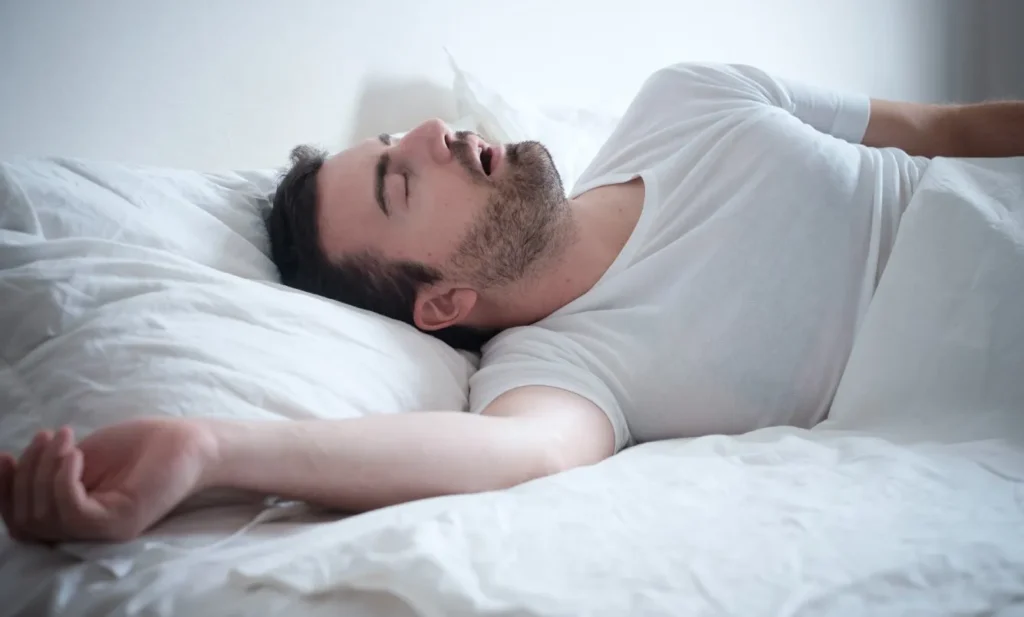
Feeling exhausted no matter how long you sleep, waking with headaches, or being told you stop breathing at night are more than nuisances — they are the classic signs of obstructive sleep apnoea, a common and very treatable condition that too often goes undiagnosed for years. Because it stems from the airway, the best ENT treatment in Ahmedabad plays a central role in both diagnosing and treating it. Dr. Neeraj Suri explains what sleep apnoea is, how it is diagnosed, and what patients can realistically expect from treatment.
What Sleep Apnoea Actually Is
Obstructive sleep apnoea happens when the airway repeatedly narrows or closes during sleep, so breathing stops for seconds at a time — sometimes dozens of times an hour — without the person realising. Each pause dips the body’s oxygen and briefly jolts the brain awake to resume breathing, fragmenting sleep all night long. The result is that even a full night in bed brings no real rest, because true deep sleep is never sustained. It is far more than loud snoring; it is a genuine medical condition with real consequences.
The Signs and Why It Matters
Sleep apnoea shows up both at night and during the day:
- Loud snoring with witnessed pauses, gasping or choking in sleep
- Waking unrefreshed, with morning headaches or a dry mouth
- Excessive daytime sleepiness — dozing off at work, or worse, while driving
- Poor concentration, memory lapses and low mood
- Needing to pass urine several times a night
Untreated, sleep apnoea is linked to high blood pressure, heart disease, stroke, diabetes and accidents from drowsiness — which is why diagnosing and treating it protects far more than your sleep.
Who Is at Risk?
Sleep apnoea is more common in people who are overweight, in men, and with increasing age, but it affects slim people and women too. A large neck circumference, nasal blockage, enlarged tonsils, a small or set-back jaw, alcohol and smoking all increase risk. In children, it is usually driven by enlarged tonsils and adenoids and shows as restless sleep, bed-wetting and daytime behaviour problems rather than sleepiness.
How Sleep Apnoea Is Diagnosed
Diagnosis is straightforward and does not rely on guesswork:
- Assessment of symptoms and an examination of the whole airway — nose, palate, tonsils and tongue base.
- A sleep study (polysomnography) — the key test, recording breathing, oxygen levels, heart rate and sleep overnight, sometimes done conveniently at home.
- Scoring the severity by how many times breathing is disturbed per hour, which grades the apnoea as mild, moderate or severe.
- Pinpointing the site of obstruction, which guides whether medical or surgical treatment will help most.
Treatment: What Patients Can Expect
Treatment is tailored to severity and cause, and the results can be transformative:
- Lifestyle changes — weight loss, side-sleeping and avoiding alcohol at night help mild cases
- CPAP — a gentle air-pressure device worn at night; the gold standard for moderate to severe apnoea, it keeps the airway open and often restores energy within days
- Surgery — to remove enlarged tonsils and adenoids (curative in most children), correct nasal blockage, or address the palate in selected adults
- Oral appliances — custom devices that hold the jaw forward for milder cases
Most patients, once treated, describe a dramatic return of daytime energy, clearer thinking and better mood — often realising only afterwards how tired they had truly been.
Living With CPAP: What to Really Expect
For moderate to severe sleep apnoea, CPAP — a device that gently blows air through a mask to keep the airway open — is the most effective treatment, and understanding it removes much of the apprehension. The first nights take some getting used to, and finding a comfortable, well-fitting mask is key; modern masks are lighter and quieter than their reputation suggests. Most people who persevere describe the change as dramatic: waking genuinely refreshed, often for the first time in years, with the daytime fog, headaches and exhaustion lifting within days to weeks. Support with mask fit and settings in the early weeks makes all the difference between abandoning CPAP and coming to rely on it gratefully.
Sleep Apnoea and Your Heart and Health
The reason sleep apnoea is worth treating goes well beyond feeling tired. Each night’s repeated drops in oxygen and surges of stress on the body take a cumulative toll, and untreated sleep apnoea is strongly linked to serious conditions:
- High blood pressure that can be hard to control
- Increased risk of heart disease, irregular heart rhythms and stroke
- Poorer blood-sugar control and a higher risk of type 2 diabetes
- Daytime drowsiness that raises the risk of road and workplace accidents
- Low mood, irritability and impaired memory and concentration
Treating sleep apnoea is therefore an investment in long-term health, not just better nights — which is why it should never be dismissed as ‘just snoring’.
Why ENT Treatment in Ahmedabad Matters for Sleep Apnoea
Because sleep apnoea so often stems from the airway, ENT treatment in Ahmedabad is central to managing it well. An ENT can identify exactly where the airway is obstructing — the nose, the palate, the tonsils or the tongue base — and treat the correctable causes, from clearing nasal blockage to removing enlarged tonsils and adenoids, which is frequently curative in children. Working alongside sleep physicians, the ENT ensures treatment is targeted to your specific anatomy rather than one-size-fits-all, giving the best chance of a lasting result.
Sleep Apnoea in Women, Children and Older Adults
Sleep apnoea is often pictured as a condition of overweight, middle-aged men, and that stereotype causes many cases to be missed. In women, it is frequently under-diagnosed because symptoms can be subtler — more fatigue, insomnia, mood changes and morning headaches than dramatic snoring — and it becomes more common after menopause. In children, it usually stems from enlarged tonsils and adenoids and shows as restless sleep, bed-wetting, and daytime hyperactivity or poor concentration rather than sleepiness, so it is sometimes mistaken for a behaviour problem. In older adults, it grows more common with age and can worsen memory and increase fall risk, yet is easily blamed on ‘just getting older’. Recognising that sleep apnoea affects every group — not just one stereotype — is key to getting the right people assessed and treated, whatever their age or sex.
Don’t Dismiss the Tiredness
Perhaps the most important thing about sleep apnoea is simply recognising it, because its central symptom — feeling tired — is so easily blamed on age, work, stress or a busy life. People adapt to exhaustion so gradually that they forget what being properly rested feels like, and only realise the extent once treatment restores their energy. If you snore heavily, wake unrefreshed, feel sleepy through the day, or a partner has noticed you stop breathing at night, those signs are worth taking seriously rather than shrugging off. Sleep apnoea is common, very treatable, and its treatment often gives people back an energy and clarity they thought they had simply lost to getting older.
Starting the Journey
The hardest part is often simply recognising the problem, because the exhaustion creeps in so gradually. If the signs above sound familiar — or a partner has noticed you stop breathing at night — a sleep assessment is the first step. With the right ENT treatment in Ahmedabad, sleep apnoea is very manageable, and the improvement in daily life is frequently the thing patients wish they had sought years earlier.
Exhausted Despite Sleeping? Get Assessed
Constant tiredness, loud snoring or witnessed breathing pauses are worth taking seriously. Book a sleep-apnoea assessment with Dr. Neeraj Suri at Evara Hospital and reclaim your energy. Speak to our team on +91 95122 68282, or book online — evening and Sunday appointments welcome patients across Ahmedabad and Gandhinagar.
Author & Medical Review
Dr. Neeraj Suri, MS (ENT) — Ex-Fellow, Stanford University & House Ear Institute, Los Angeles; Ex-Associate Professor, GMERS Medical College, Gandhinagar. Medically reviewed by Dr. Neeraj Suri.
FAQs
Q. How is sleep apnoea diagnosed?
A. With a sleep study that records your breathing, oxygen and sleep overnight — sometimes done at home — alongside an airway examination.
Q. Is CPAP the only treatment?
A. No — mild cases respond to lifestyle changes or oral appliances, and surgery helps where tonsils, adenoids or nasal blockage are the cause; CPAP is the standard for moderate to severe apnoea.
Q. Can sleep apnoea be cured in children?
A. Very often yes — removing enlarged tonsils and adenoids cures the great majority of childhood cases.
Q. Why is untreated sleep apnoea dangerous?
A. It’s linked to high blood pressure, heart disease, stroke, diabetes and accidents from daytime drowsiness, so treating it protects long-term health.